
1
Existing footprint
A facility that once felt comfortably sized can become either a constraint or a burden as markets shift. We begin by examining how your current footprint performs under different demand patterns, maintenance realities, and labour conditions. This includes looking at idle capacity, overtime reliance, and the practical limits of your existing lines. With that operational map, we can discuss potential changes to obligations, timelines, or configurations in a way that recognises both the promise and the strain inside your present assets.
2
Stress episodes
Traditional financial reports often flatten operational volatility into tidy averages. We invite you to bring the rough edges back into view. That might mean examining a sequence of difficult weeks, a cluster of breakdowns, or a period when supplier behaviour forced improvisation. These episodes offer clues about how your system behaves under stress. We treat them as case studies that can inform discussions about future commitments, rather than anomalies to be ignored.
Scenario view
Once the operating and financial pictures are visible together, we explore scenarios that stretch them. We might consider a slower recovery than expected, a regulatory change that tightens compliance demands, or a customer shift that alters volume and mix. The aim is not to forecast precisely, but to see how your position reacts when pushed. This work highlights where small changes have outsized effects and where additional flexibility could matter most.
Ongoing record
Decisions do not end when a contract is signed. Conditions evolve, and leadership changes. We encourage clients to keep a living record of key industrial finance decisions, including the reasoning, uncertainties, and dissenting views that shaped them. This record supports future adjustments, internal learning, and external discussions. It also reduces the temptation to treat past choices as untouchable, by making it clear that they were made under specific conditions that may no longer apply.

Working with complexity
Industrial finance decisions rarely arrive as clean, isolated questions. They show up as
tangled situations: a facility that no longer matches its original plan, a capital
structure shaped by past urgencies, and a regulatory environment that has tightened
while projects were still underway. In that setting, quick answers can be comforting and
dangerous at the same time. At Nolexivera, we slow the conversation just enough to see what
is truly at stake. We ask which assumptions have gone untested, where the plant feels
brittle, and how obligations would behave if conditions tightened rather than eased.
These are not abstract questions. They touch on specific lines, suppliers, maintenance
practices, and regional constraints across Canadian operations. We then connect this
operating picture to the financial side: covenants, maturities, payment patterns, and
potential restructuring paths. Instead of searching for a perfect scenario, we explore
ranges of outcomes and highlight where your position is most sensitive. Past performance
does not guarantee future results, and results may vary, but understanding where
pressure is likely to emerge can guide more deliberate choices. Our role is to provide a
disciplined, transparent process, not to promise a particular outcome. We document the
reasoning behind each option, the concerns raised by different teams, and the trade offs
that leadership accepts. Over time, this record becomes as valuable as any single
decision, helping your organisation respond to new information without losing sight of
how you arrived at the present moment.
Industrial finance perspective from Nolexivera
Bringing plant floor realities into structured industrial finance discussions for Canadian operators
Industrial finance seems numerical, yet the hardest questions often start on the plant floor. At Nolexivera, we look at how decisions about capital, restructuring, or long lived assets will feel on a difficult operating day, not just in a calm model. Canadian manufacturers, processors, and logistics operators work with us when they sense that formal reports no longer capture the strain building inside their facilities. We treat maintenance backlogs, supplier concessions, and shift fatigue as financial signals, then connect them to obligations, timelines, and regulatory expectations. Our role is not to predict outcomes, but to help you see where your assumptions carry the most weight before you commit to paths that are costly to reverse. Results may vary, and past performance does not guarantee future results, yet the reasoning behind each decision can still be disciplined, transparent, and documented.

How Nolexivera approaches complex industrial finance questions
A structured way to connect industrial operations and financial obligations
Healthy numbers can hide a tired plant. We treat that tension as the centre of our work.
At Nolexivera, we begin by asking how your facilities cope with disruptions, maintenance
delays, and shifting customer behaviour. Only once we understand that operating reality
do we turn to questions about financing structures, timelines, or restructuring options.
This sequence helps keep models honest and discussions anchored in verifiable facts.
Our internal approach, the Operating Reality Review, follows three steps. First, we listen to frontline and technical teams to map where the plant feels fragile. Second, we connect those points to existing and potential financial obligations. Third, we document the trade offs in language that boards, lenders, and partners can follow. We do not offer promises or projections of specific outcomes. Results may vary, and independent professional advice remains important alongside our perspective.
Start with how your facilities behave under strain, not just under ideal throughput.
Use a clear internal framework to structure complex industrial finance conversations.
Leave a concise record of assumptions, trade offs, and open questions for later review.

Grounding financial talks in plant reality
Context before numbers
Benefits of Nolexivera’s industrial finance lens
A calm report can sit beside a strained facility; our work lives in that space between surface stability and the operating realities that shape long term financial obligations for Canadian industrial operators.
Regulation aware
Asset focused
Link asset behaviour with financial choices
InsightIndustrial assets do not fail on a schedule, yet many financial discussions assume they will behave predictably. We help you bring asset condition, downtime patterns, and operational workarounds into the conversation before you commit to long term obligations. By linking plant behaviour to financing choices, you gain a clearer view of where flexibility might be essential and where firmness is acceptable. This does not remove uncertainty, but it narrows the gap between what the model assumes and what the plant can realistically deliver over time.
See the full chain of existing commitments
ClarityMajor industrial finance decisions often build on layers of earlier commitments that no one has fully mapped in one place. We work with your teams to lay out key contracts, covenants, regulatory expectations, and operational constraints in a single, coherent view. This mapping makes hidden dependencies and pinch points easier to see. With that picture in hand, leadership can discuss options knowing which levers are fixed, which can move, and where further negotiation or internal change may be required.
Create a common language across teams
DialogueEngineers, supervisors, controllers, and finance leads each hold a different piece of the story. Misunderstandings arise when those pieces never meet. We facilitate conversations that keep technical depth but avoid unnecessary jargon, so concerns from the plant floor can be translated into financial implications that boards and external partners understand. The aim is not consensus at any cost, but a documented record of what was considered, what was contested, and why certain paths were chosen.
Leave a traceable record of key decisions
DocumentationWhen conditions change, organisations often struggle to reconstruct why a past decision was made. We emphasise concise, practical documentation that explains the reasoning, assumptions, and uncertainties behind each major industrial finance choice. This record supports internal reviews, external scrutiny, and future adjustments without relying on memory. It also helps new leaders understand the context they inherit, including where past expectations proved optimistic or cautious.
How Nolexivera structures industrial finance reviews
Resilience in industrial finance grows less from bold claims and more from a repeatable pattern of careful mapping, candid discussion, and documented reasoning across plants and balance sheets.
Start with the structure you already carry
Before we discuss new commitments, we map the existing ones. That means identifying key contracts, covenants, regulatory constraints, and operational bottlenecks that already shape your room to manoeuvre. This map often reveals silent drivers of risk, such as concentrated suppliers or ageing lines that no longer match their original assumptions. With these factors visible, leadership can weigh options with a more honest sense of what is fixed and what could change.
Foundations
Pair analysis with plain language explanations
Numbers without narrative can feel precise and still mislead. We focus
on translating technical findings into clear, concise explanations of
what they mean for your facilities and obligations. Each piece of
analysis is paired with a short narrative that outlines context, key
assumptions, and sources of uncertainty. This combination makes it
easier for boards, lenders, and partners to follow the logic without
losing sight of the limits of what can be known in advance.
Clarity
Make trade offs visible and revisitable
Industrial finance questions often involve difficult trade offs: more
flexibility at a higher cost, or lower cost with tighter constraints. We
help teams articulate these trade offs explicitly, rather than leaving
them implied. Using our internal Trade Off Table approach, we set
options side by side with their operational, financial, and regulatory
implications. This does not choose for you, but it makes the choice more
transparent and easier to revisit later if conditions change.
Choices
Prepare materials that withstand external scrutiny
External stakeholders expect to see that risks have been considered, not
dismissed. We assist in preparing documentation that outlines key
exposures, mitigation steps, and remaining uncertainties in a measured
way. Past performance does not guarantee future results, and results may
vary, so we avoid language that overstates certainty. Instead, we focus
on coherence between what you say about your facilities, what your
numbers show, and what your obligations require.
Consistency
Industrial finance in context
Industrial finance lives in images as much as in tables; these scenes reflect the contexts we consider when supporting Canadian operators through complex choices.
Seeing the whole industrial system
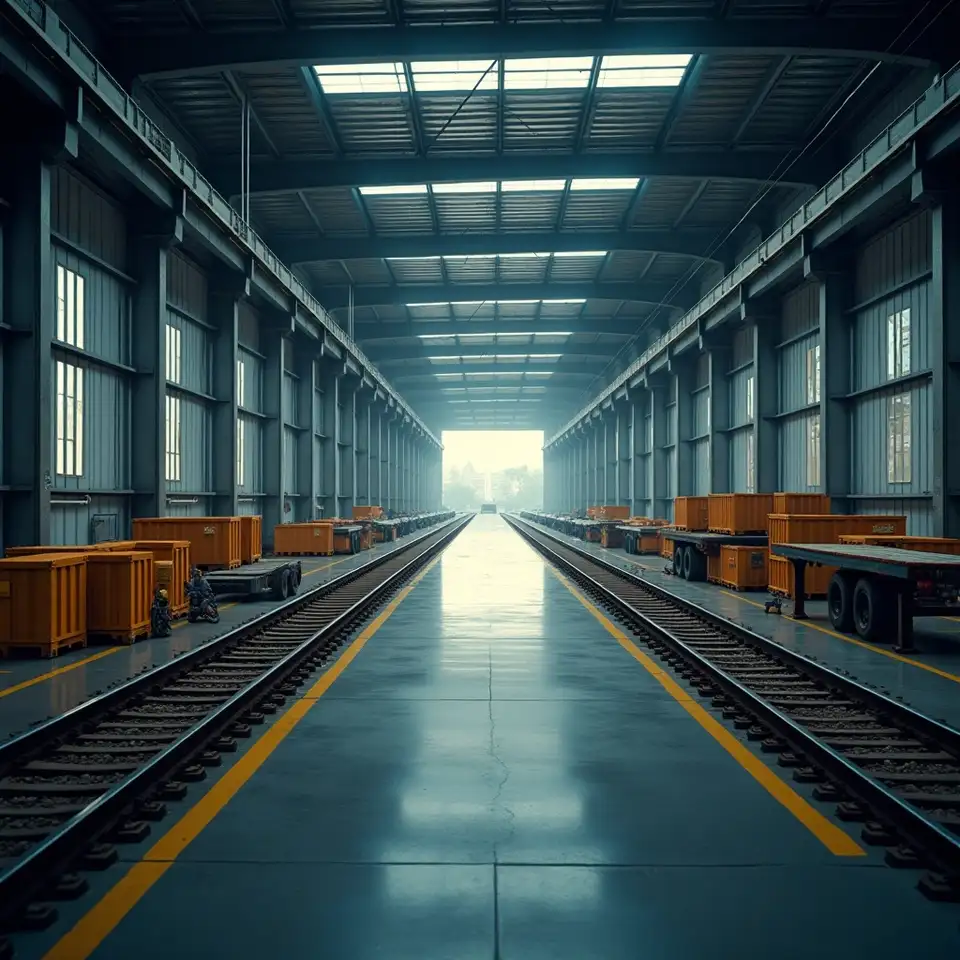
Aerial views of industrial sites reveal more than architecture; they show how materials, people, and information must move each day. When we discuss financing, restructuring, or capital plans, we picture these flows. Rail lines, loading bays, storage yards, and process buildings all influence how resilient a facility can be when demand shifts or disruptions occur. We treat this physical map as a foundation for any serious financial discussion.
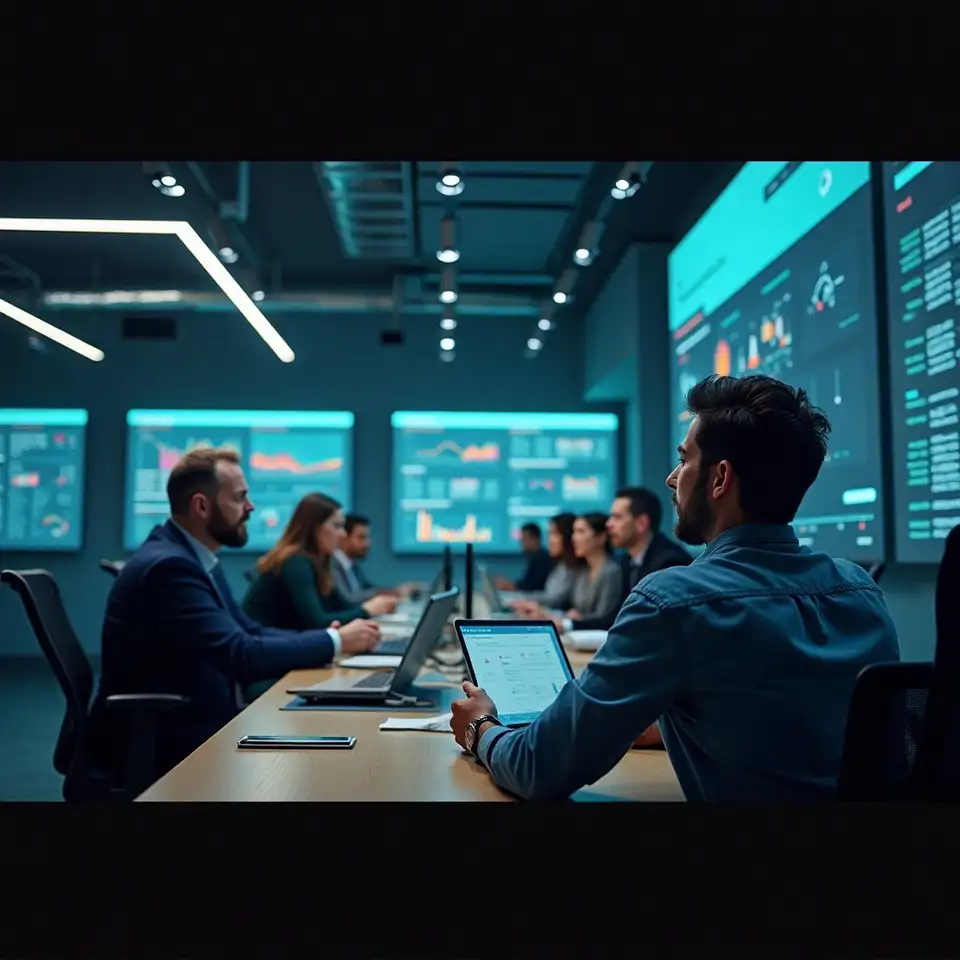
Shared views, different expertise
Bringing finance and operations together around shared data often changes the
tone of the conversation. Here, dashboards show throughput, downtime, and key
financial indicators on the same screens. We encourage teams to question what
each metric hides as well as what it reveals. This joint review helps ensure
that major decisions reflect both the lived experience of the plant and the
structure of its obligations, rather than one side dominating the other.

From documents to decisions
Stacks of drawings, contracts, and internal notes can feel overwhelming until
they are turned into a coherent narrative. We work with your teams to group
documents by decision, trace how assumptions evolved, and highlight where
uncertainties remain. This process supports internal clarity and prepares you
for conversations with boards, lenders, or partners who need to understand not
just the numbers, but the story behind them.

Keeping the plant in the boardroom
Leadership discussions about industrial finance often unfold in rooms far from the plant, yet they shape what the plant must live with for years. We encourage leaders to keep the facility’s reality present in those meetings through clear visuals, case examples, and documented input from frontline teams. This helps align long term obligations with what the organisation can reasonably deliver under both favourable and challenging conditions.